



MAESIO HEALTH GUIDE · COMMUNITY PREVENTION
Know the facts. Protect your community.
A practical Kenyan guide to Ebola symptoms, safer action after possible exposure, and the role of everyday infection prevention.
Ebola is serious, but clear information helps people respond calmly and seek the right care. This guide focuses on community decisions rather than attempting to diagnose illness from a symptom list.
Possible exposure or symptoms? Call ahead.
If you may have been exposed and feel unwell, separate yourself from others and contact health authorities immediately. In Kenya, call 719 for public health guidance. Explain your symptoms, travel and contact history before travelling to a facility. Follow referral instructions. Do not visit a pharmacy or wait for a WhatsApp reply when Ebola is suspected.
What is Ebola disease?
Ebola disease is a severe illness caused by viruses in the Orthoebolavirus genus. Ebola virus, Sudan virus and Bundibugyo virus can cause large outbreaks. These distinctions matter because a vaccine or medicine effective against one virus cannot automatically be assumed to work against another.
This is an educational guide, not a live case-count dashboard. For current Kenyan alerts, exposure advice and designated services, follow the Ministry of Health and local public health teams.
How does Ebola spread?
Infection occurs when infected blood or body fluids reach broken skin or the eyes, nose or mouth. Risks include direct contact with a sick person, a deceased person, or contaminated clothing, bedding and equipment. Handling infected wildlife is another possible route. Ebola does not spread through the air in the way measles does.
People do not spread Ebola before symptoms begin. After recovery, virus may persist in certain body fluids, including semen; survivors should follow specialist advice. Survivors deserve supportive care and respect, not exclusion.
Symptoms: exposure history matters
| Early signs | Possible progression |
|---|---|
| Fever, marked weakness, headache, muscle or joint pain, sore throat and reduced appetite. | Vomiting, diarrhoea, stomach pain, rash and severe illness. Unexplained bleeding can occur, but is not always present. |
Symptoms can begin 2–21 days after exposure. They overlap with malaria, typhoid and other infections. Symptoms alone cannot confirm Ebola, and the absence of bleeding does not rule it out. Tell health workers about relevant contact or travel; safe assessment and laboratory testing are arranged through clinical and public health services.
Read our guide to early Ebola symptoms →
What to do after possible contact
- Contact health authorities promptly, even if you feel well. Describe what happened and when.
- Follow monitoring instructions. Identified contacts are generally followed for 21 days after their last exposure.
- Report symptoms immediately. Avoid close contact and travel while awaiting instructions.
- Let trained teams handle contaminated materials. Do not clean body-fluid spills or prepare a suspected Ebola death for burial yourself.
Home care by untrained family members can expose others. Early care at an appropriate treatment centre gives patients the best opportunity for recovery while helping protect the household.
Treatment and vaccines: the virus type matters
| Intervention | What to understand |
|---|---|
| Supportive hospital care | Careful fluid and electrolyte management, nutrition, symptom management and treatment of other illnesses are central to care. |
| Antibody treatments | WHO recommends ansuvimab and REGN-EB3 for Ebola virus disease. These are not general treatments for every orthoebolavirus. |
| Ervebo vaccine | Protection is established against Ebola virus disease, previously associated with Zaire ebolavirus. Vaccination is coordinated by public health programmes. |
| Bundibugyo and Sudan disease | There is no licensed vaccine for these viruses in the WHO guidance reviewed for this update. Research products are being evaluated. |
WHO’s September 2026 vaccine guidance states that protection of Ervebo against Bundibugyo disease in humans remains uncertain. Vaccination does not replace exposure precautions or urgent assessment. Maesio’s routine shop products are not Ebola vaccines or treatments.
Prevention begins with safer contact
- Practise hand hygiene and follow official instructions.
- Avoid direct contact with a suspected patient’s body fluids and contaminated belongings.
- Do not handle wildlife found sick or dead.
- Allow trained teams to arrange safe, dignified burials.
- Cooperate with screening and contact tracing, and share accurate information.
For health facilities, correct PPE selection, supervised putting on and removal, staff training, safe waste systems and referral arrangements work together. Buying gloves or sanitizer alone does not make Ebola care safe.
Frequently asked questions
Does every fever mean Ebola?
No. Many illnesses cause fever. Relevant exposure and clinical assessment guide the response; avoid diagnosing yourself or others.
Should I wait for bleeding?
No. Bleeding may be absent. Act on possible exposure and early symptoms.
Can I buy an Ebola test or treatment here?
This article does not offer Ebola testing, vaccination or treatment. Suspected cases need a coordinated public health referral.
Are recovered people a danger to the community?
Survivors should be welcomed and supported. Specialist follow-up addresses ongoing health needs and any body-fluid precautions.
Hand-hygiene supplies for everyday preparedness
Explore these Maesio listings for routine hand-hygiene stations and facility supply planning. Confirm suitability, product instructions and current availability before ordering. These items do not diagnose, treat or guarantee prevention of Ebola.
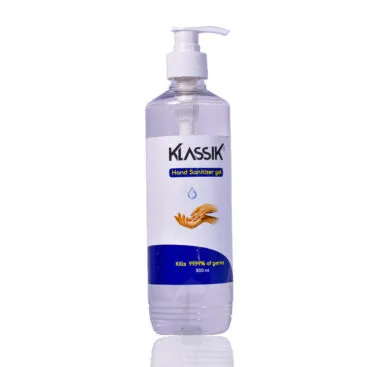 | Klassik Hand Sanitizer Gel · 500mlA smaller format for routine hand-hygiene provision. See the live listing for product information and current pricing. |
Planning supplies for your facility?
Send your routine hand-hygiene supply list to Maesio for product and quotation assistance. For suspected Ebola, use public health services rather than this sales channel.
Ask about supplies on WhatsApp ↗
Related reading: understanding Ebola virus disease →
Sources and further reading
- WHO: Ebola disease fact sheet
- WHO: community questions and answers
- WHO: Ebola vaccines, September 2026 guidance
- CDC: signs and symptoms
- Kenya Ministry of Health: public guidance and 719 information line
Updated 28 October 2026. General health education, not an individual diagnosis or a live outbreak bulletin. The cover is a conceptual illustration. Follow current official guidance as evidence and outbreak conditions change.